Corfu in a nutshell
Corfu is one of the best known and best loved locations in Greece. Straddled between the Albanian and Greek Ionian coasts, it has been host to many influences and cultures throughout the centuries. Athens, Rome, Byzantium, Venice: each in turn has left its mark and architecture on this island.
To one end, the North-West mountains form a natural bulwark to Italy and the greater Adriatic sea. Beyond that lie the hills and plains of Corfu proper with its vineyards, olive groves and, everywhere, the haunting figures of the cypress columns, dark and slender against a Southern sky.
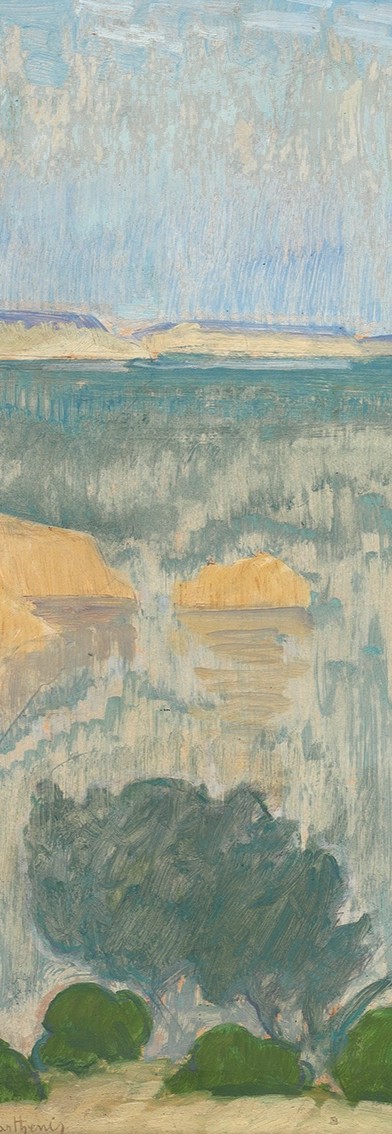
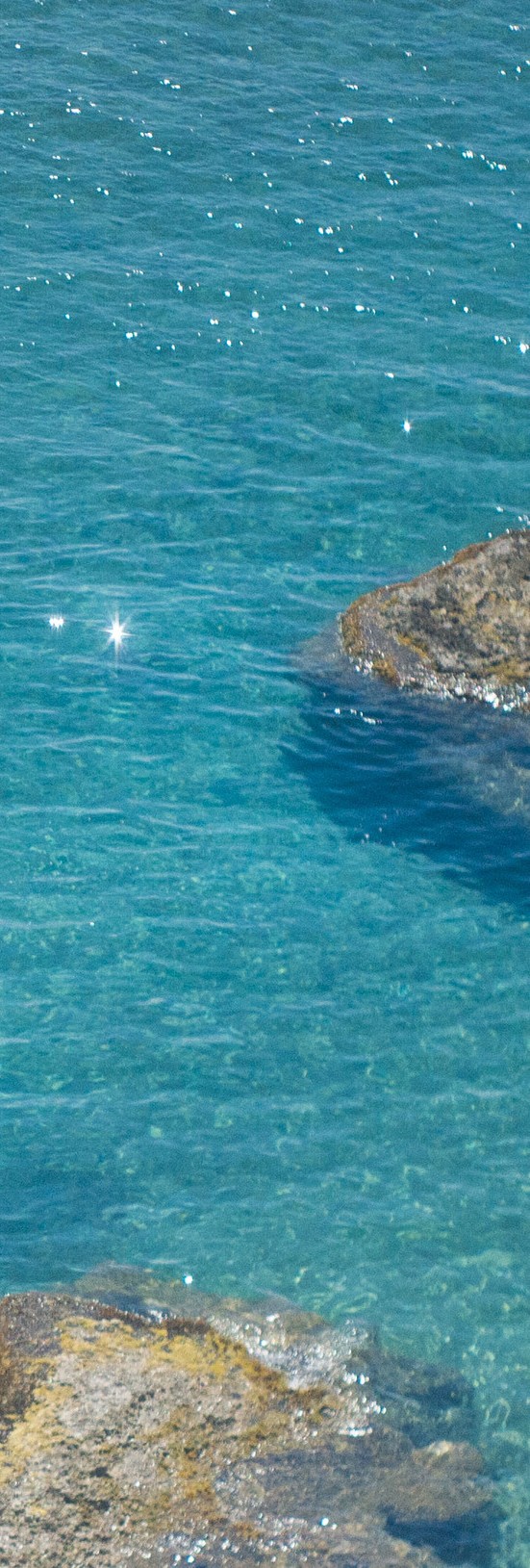
To its North, we find monasteries and family beaches and hilltops. Ruined fortresses and temples pay testament to the rise and fall of dynasties and empires. A one hour trip from Corfu town is the ancient city of Cassiopi, with its modern bars and nightclubs. Further on we find the cliffs and precipices of Sidari, and on to where the high, impregnable Castel Sant’Angelo stands, still undefeated, against the elements of tide and wind.
South of the island remains largely underexplored, with its smallholdings, villages, salt flats and unspoiled coves and bays.
Corfu town, perhaps, has its spiritual heart in the cathedral church of St. Spyridon. Recluse, worker of miracles, capricious guardian saint, four times yearly his relics tour the Corfu streets to the tune of crowds and marching bands. Palaces and secluded squares, museums, alleyways and alley cats, washing lines, street markets, luxury hotels and monuments make up this city of historic sights and festivals and its people.
Ano Korakiana
Most of our houses are in Ano Korakiana, and there is a reason we keep coming back to it. It is a real village rather than a resort: children walk to the primary school, the philharmonic band still rehearses, and the two bakeries open early for the people who live here. Nobody is trying to sell you a boat trip.
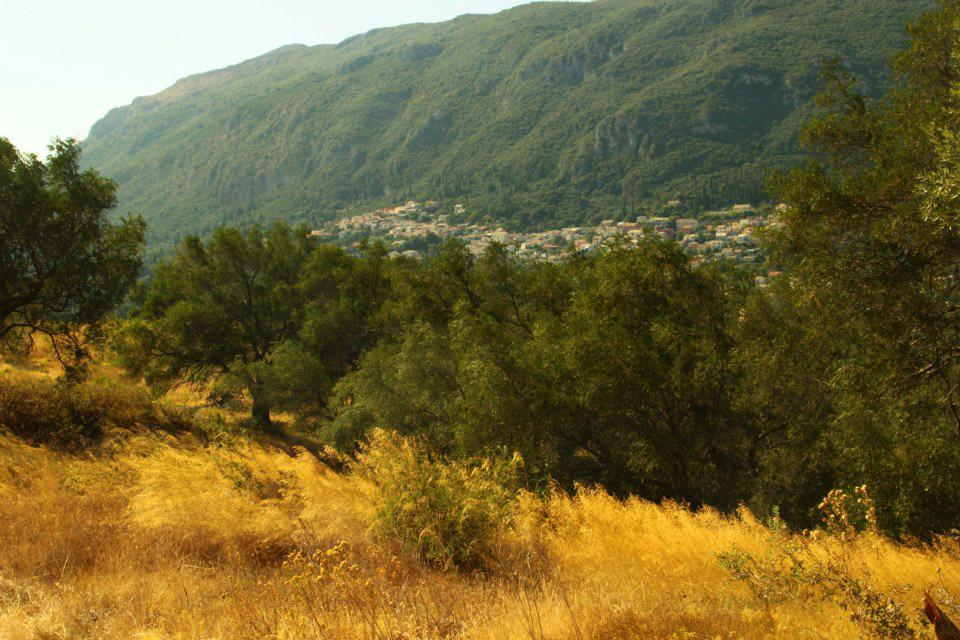
The village sits on the slopes of Mount Korakio in the centre-north of the island, high enough that the heat breaks in the evening and low enough that you are never far from the sea. Because it is inland and central, you avoid the summer traffic that clogs the single coast roads — and that, more than anything, is what makes it a comfortable base for two weeks rather than two days.
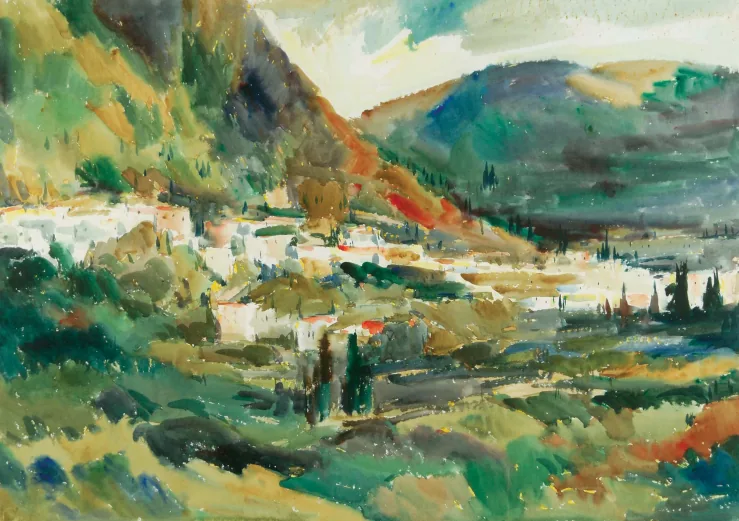
Its history stretches back to the Byzantine era, and the village has retained much of its original character — a quiet, untouristy place of whitewashed alleys, flowering doorways, and wandering cats. From its elevated position, it looks out from east to west over some of the most beautiful scenery on the island.
On foot, the village offers the essentials: two bakeries, a mini market, and a café. A ten-minute walk brings you to the tiny neighbouring village of Agios Markos, where a charming traditional Greek taverna serves food alongside their own moonjuice. And for everything else — seaside restaurants, authentic Italian pizza, fresh seafood, village tavernas, fine dining, and nightlife — the wider area is within a fifteen-minute drive.
Positioned in the centre-north of the island, just 15 km from Corfu Town, Ano Korakiana is an ideal base for exploring without the frustration of traffic chokepoints. Both the east and west coasts are within a fifteen-minute drive, opening up some of Greece's most loved destinations — the sheltered beaches of Liapades and Rovinia, the lively shoreline of Barbati, the elegant villages of the north, and the dramatic west coast with its famous azure waters.
One of the oldest villages in the Ionian Islands, Ano Korakiana has a rich cultural heritage reflected in its numerous churches, many of which contain remarkable icons and frescoes. Over the centuries it has been a crossroads for writers, poets, painters, and sculptors. The village remains actively inhabited, with a functioning primary school, a local community association, and its own philharmonic band.
The bay of Agni
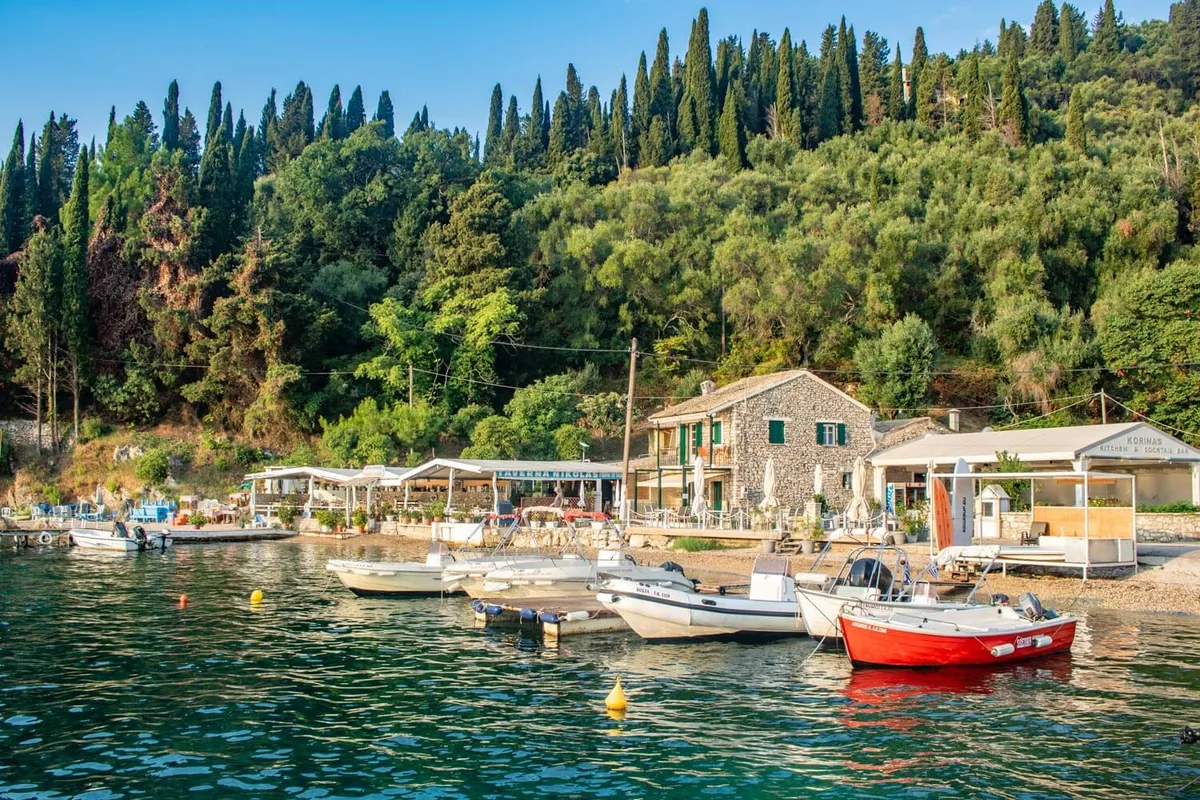
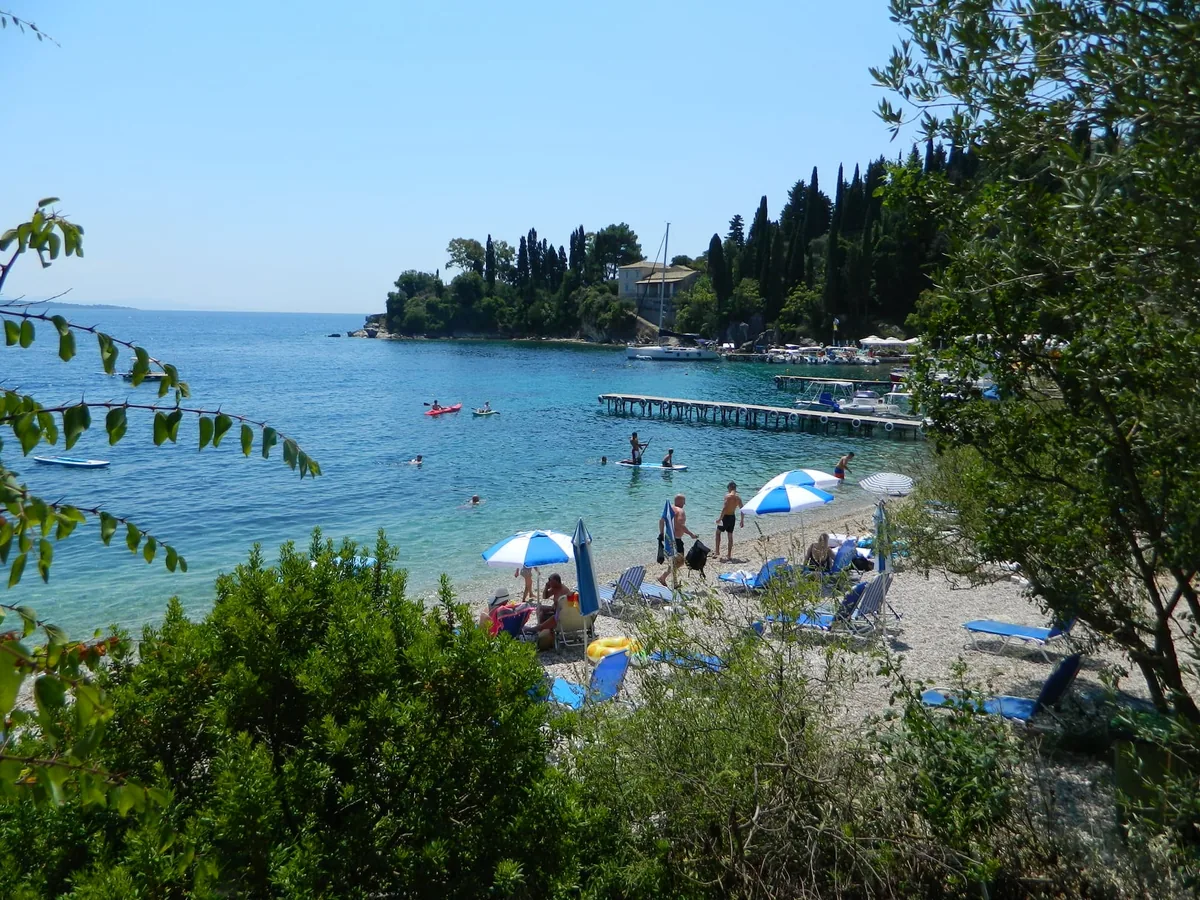
Agni is a small bay on the northeastern coast of Corfu, located approximately 25 km from Corfu Town and close to the villages of Kalami and Nissaki. The area features a pebble beach with clear, calm waters and is surrounded by olive and cypress trees, with views across the sea toward the Albanian coastline.
Agni is perhaps best known for its three traditional tavernas sitting directly at the water's edge, serving fresh seafood to yachters who moor just offshore and day-trippers who arrive by road. Small motorboats and dinghies are available to hire, allowing visitors to explore the nearby coves and coastline at their own pace. The bay also carries a quiet literary association, sitting close to Kalami where the British author Lawrence Durrell lived in the late 1930s and wrote Prospero's Cell, his celebrated memoir of pre-war Corfu, which helped fix this luminous stretch of coastline in the imagination of readers around the world.
Dassia and Skripero
Two further settings sit either side of the island's character. Dassia, on the northeast coast, is a resort strip with a long calm beach, watersports, and a frequent bus into Corfu Town — the one place we let where a car is optional. Skripero is its opposite: an inland working village on the road to Paleokastritsa, roughly ten minutes' drive from beaches on either coast, so you can pick your side of the island each morning.
Browse all properties by name and dates, or contact us for help choosing a cottage or villa. By area: Ano Korakiana, Agni, Dassia, Skripero. By stay type: villas with pool, family cottages, near Agni & Kalami.